Connect With Us:
Thank you Nicholas Design Build for being a NARI member and for sharing this insightful blog post.
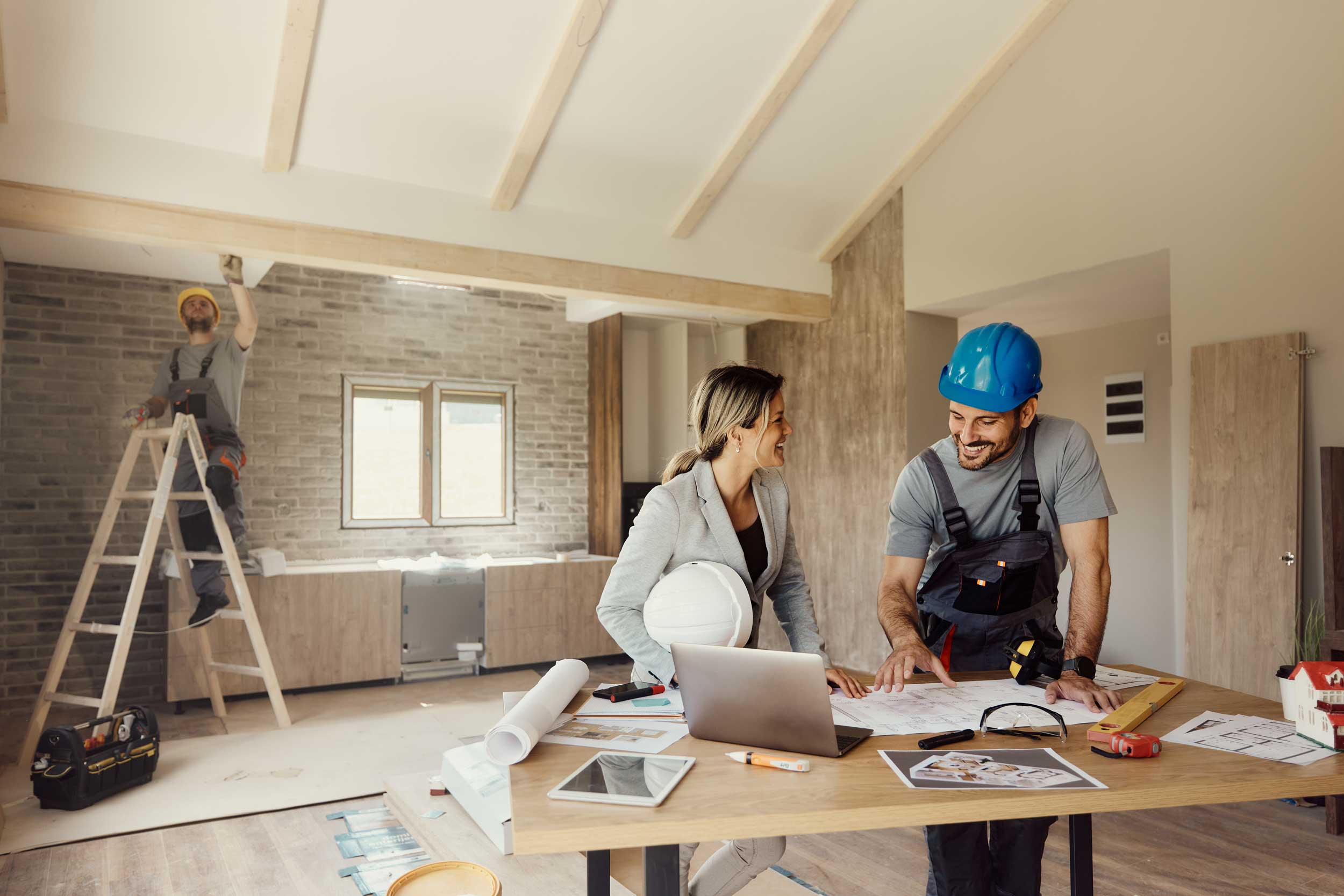
Good home remodeling design is the bedrock upon which successful projects are built. Whether you’re transforming a single room or undertaking a full-scale renovation, the quality of design can be the difference between a home that fulfills your dreams and one that falls short of expectations. Let’s dive into why good design is crucial in home remodeling and how it can make or break a project.
The Essence of Good Design
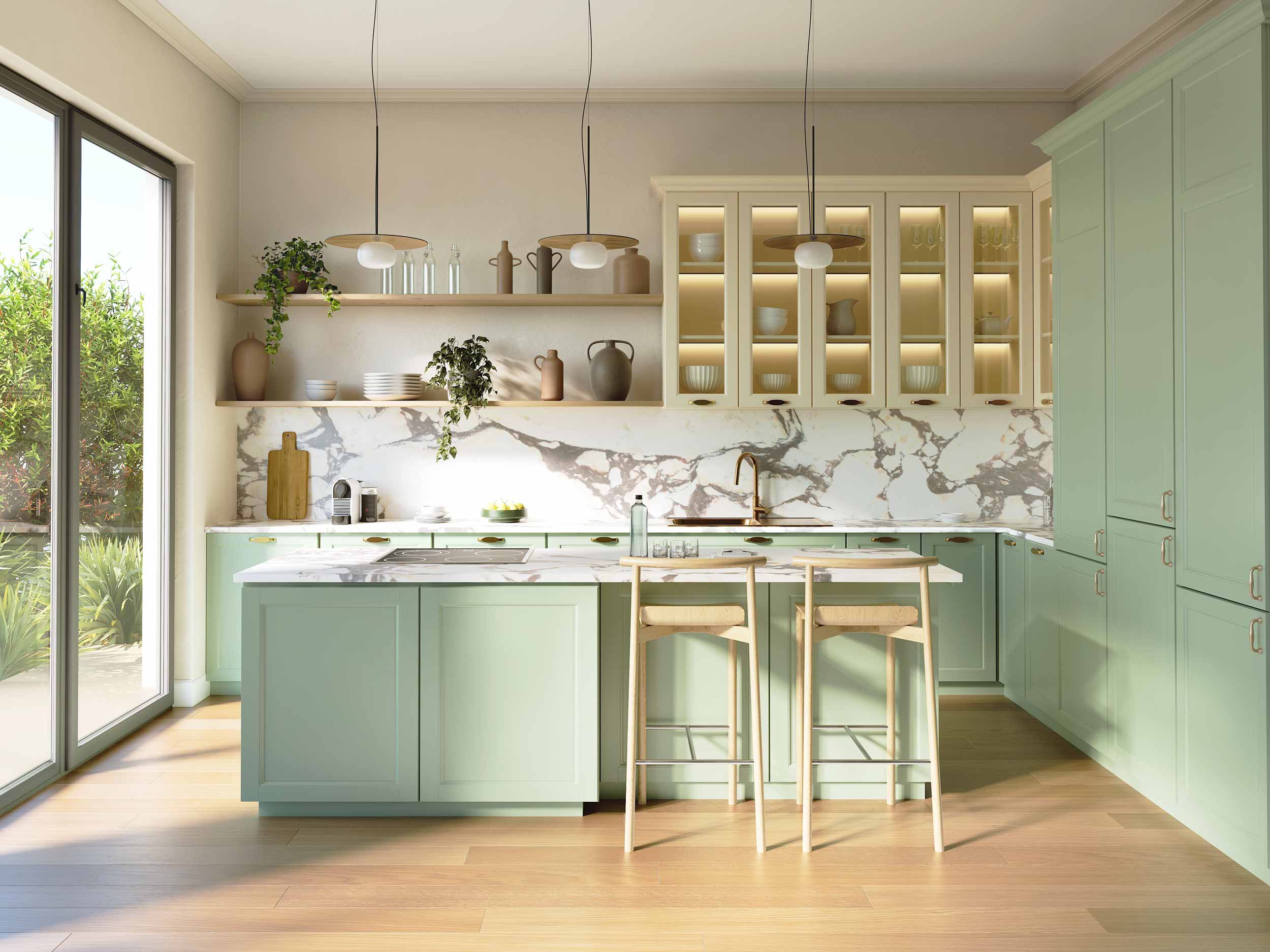
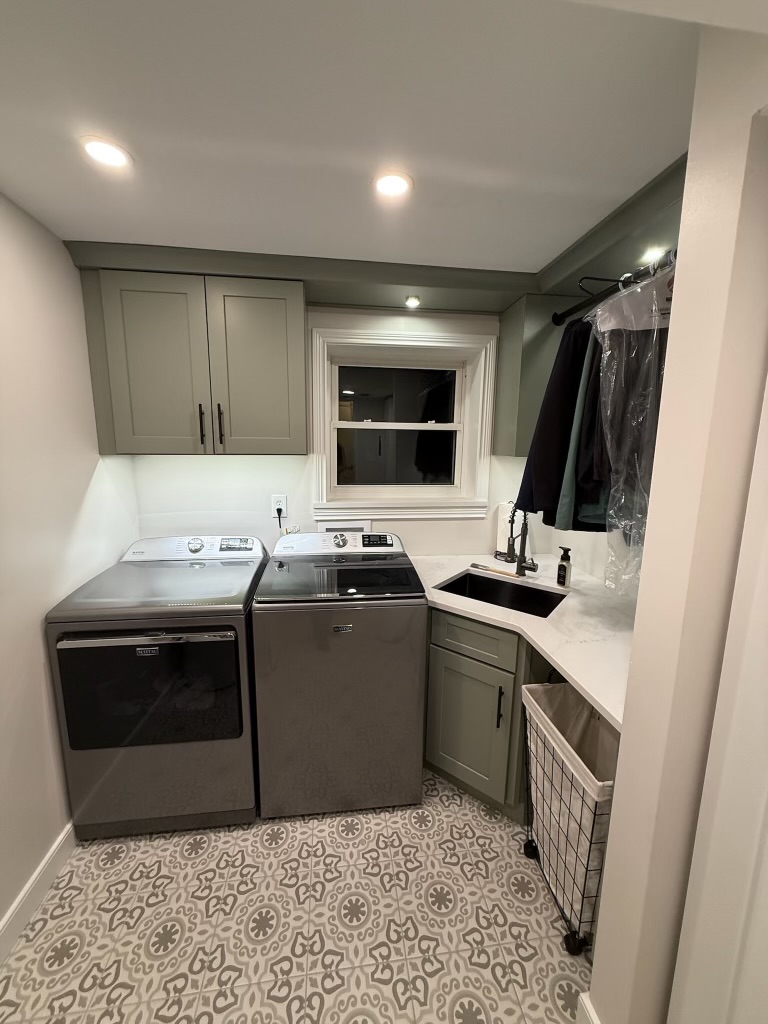
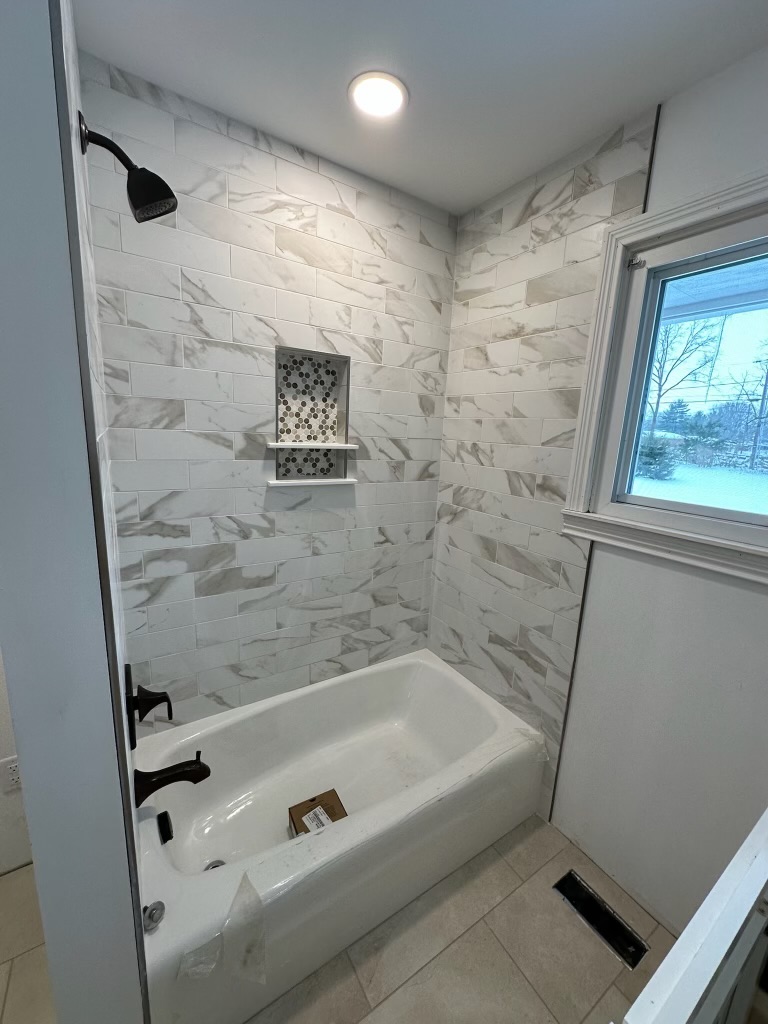
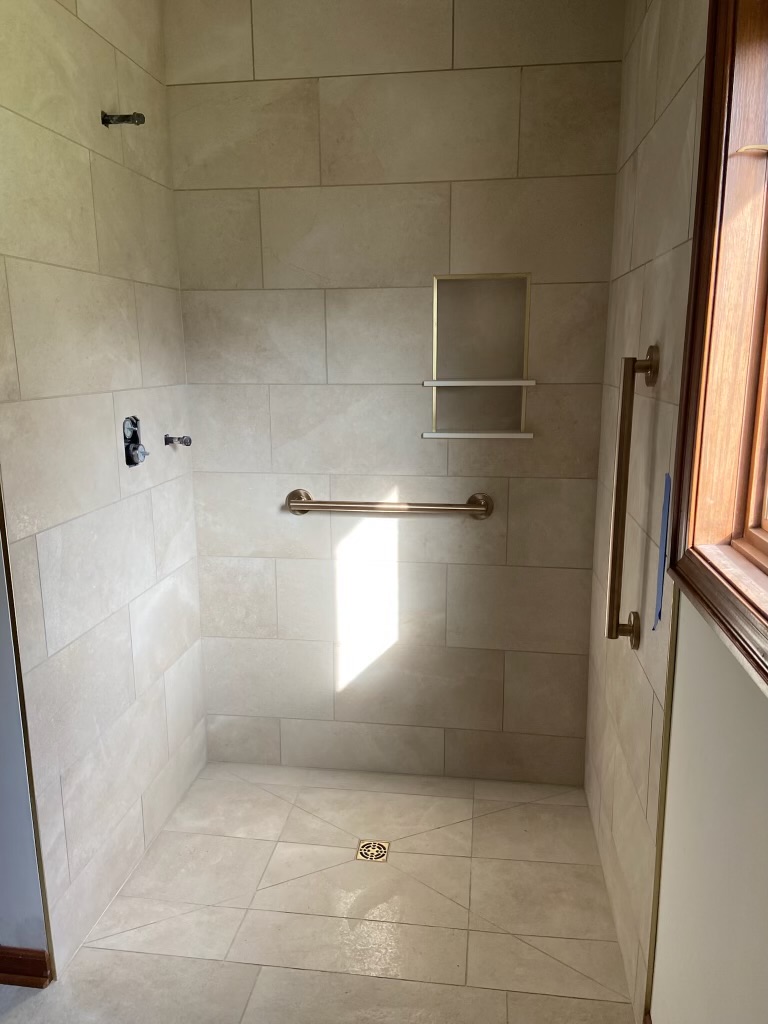
Good design in home remodeling goes beyond aesthetics; it’s about creating spaces that are functional, comfortable, and reflective of the homeowner’s personality and lifestyle. A well-designed space considers the flow of movement, maximizes natural light, and intelligently utilizes every inch of available space. It takes into account the specific needs and preferences of the inhabitants, ensuring that the end result is not just beautiful but also practical and enduring.
The Role of Design in Project Success
Vision Realization
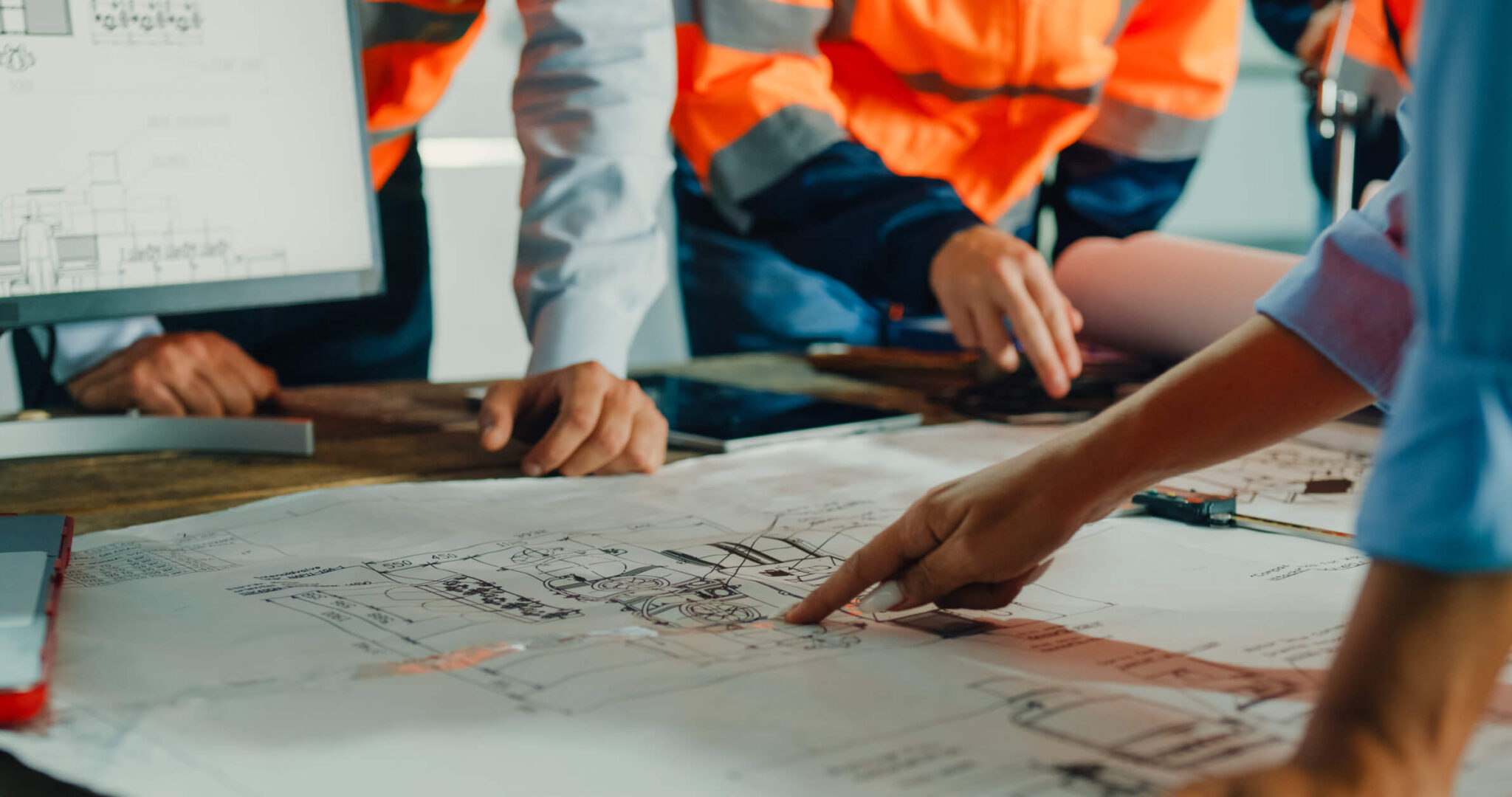
The design phase of a remodeling project is where the homeowner’s vision is translated into reality. Without a clear, cohesive design plan, projects can quickly get off track, leading to disappointing results for the homeowner. Good design helps to solidify the homeowner’s ideas into a workable plan that builders and contractors can follow, ensuring that every detail aligns with the original vision.
A well-thought-out design also helps in avoiding common pitfalls. For instance, without a comprehensive design plan, it’s easy to overlook crucial aspects like electrical layouts, plumbing considerations, or the flow between spaces. These oversights can lead to costly mid-project changes, which not only inflate the budget but also extend the timeline unnecessarily.
Functionality and Flow
The functionality of a space is just as important as its visual appeal. A beautifully designed kitchen that lacks adequate counter space or a stylish living room with poor lighting won’t serve the needs of its inhabitants. Good design considers how the space will be used daily, ensuring that it is both functional and convenient.
Flow, or how easily one can move through a space, is another critical aspect of good design. In home remodeling, achieving a seamless flow can be challenging, especially when altering the layout of a home. However, with careful planning, designers can create a natural movement between rooms that enhances the overall living experience.
Maximizing Space and Light
In many homes, particularly older ones, space can be at a premium. Good design makes the most of available space, turning potentially awkward areas into functional and attractive parts of the home. Whether it’s utilizing under-stair storage, incorporating built-in shelving, or reconfiguring a room’s layout, thoughtful design ensures that no space goes to waste.
Light, both natural and artificial, plays a vital role in the perception of space. Good design maximizes natural light through strategic window placement and the use of reflective surfaces while ensuring that artificial lighting is both functional and aesthetically pleasing. Proper lighting can make a room feel larger, more welcoming, and more conducive to the activities it hosts.
Personalization and Style
A home should be a reflection of its occupants, and good design allows for personalization while maintaining coherence and style. Whether you prefer a modern, minimalist aesthetic or a cozy, traditional vibe, design is the tool that brings your personal tastes to life. It ensures that every element, from color schemes to furniture choices, works together harmoniously.
However, good design also considers resale value. While personalization is important, it’s crucial to balance unique choices with broader appeal, especially if there’s a possibility of selling the home in the future. A well-designed space can appeal to a wide range of potential buyers, making the home more marketable.
Cost Efficiency and Budget Management
One of the most significant advantages of good design in home remodeling is cost efficiency. While it might seem counterintuitive, investing in good design can actually save money in the long run. A detailed design plan allows for accurate budgeting and helps avoid unexpected expenses. It also enables more efficient use of materials, reducing waste and ensuring that every dollar is spent wisely.
Moreover, good design can prevent costly mistakes. Without a clear design direction, homeowners might choose materials, fixtures, or layouts that clash or don’t work well together, leading to expensive rework. A cohesive design plan, on the other hand, ensures that all elements complement each other, both aesthetically and functionally.
Emotional Impact and Satisfaction
Finally, the emotional impact of good design should not be underestimated. A well-designed home is more than just a place to live. Walking into a space that is thoughtfully designed can uplift your mood and provide a sense of pride and happiness.
Poor design, on the other hand, can lead to frustration and regret. A home that doesn’t meet the needs of the people living in the home, or one that feels disjointed and uncomfortable, can diminish the enjoyment of living in it. Good design ensures that the final result is a space where the homeowner feels truly at home.
Why Poor Design Leads to Project Failures
Miscommunication and Confusion
Without a well-defined design, miscommunication between the homeowner and contractors is almost inevitable. When there’s no clear plan to follow, everyone involved in the project may have different interpretations of what the end result should be. This confusion can lead to mistakes, delays, and a finished product that doesn’t meet expectations.
Increased Costs and Delays
A lack of good design often leads to changes mid-project, as problems and inconsistencies come to the surface. These changes can be costly and time-consuming, leading to budget overruns and extended timelines. In contrast, a project guided by a solid design plan is more likely to stay on time and within budget.
Dissatisfaction with the Final Result
Ultimately, poor design leads to dissatisfaction with the final result. A home that doesn’t function well, feels cramped or awkward, or doesn’t reflect the homeowner’s tastes is disappointing for any remodeling project. No one wants to spend money and feel like they didn’t get what they wanted!
Invest in GOOD Design
Good home remodeling design is not a luxury but a necessity. It’s the foundation that supports every other aspect of the project, from budgeting to construction to final finishes. By partnering with Nicholas Design Build, homeowners can ensure that their remodeling projects are successful, resulting in spaces that are beautiful, functional, and satisfying to live in.
If you’re planning a remodeling project, it’s crucial to prioritize design from the start. Nicholas Design Build offers the expertise and experience needed to help you bring your vision to life, anticipate potential challenges, and create a comprehensive plan that ensures your project is completed on time, within budget, and is done right! With Nicholas Design Build, you can trust that your remodeling project will thrive, delivering results that exceed your expectations and enhance your home for years to come.